University of Chicago Press
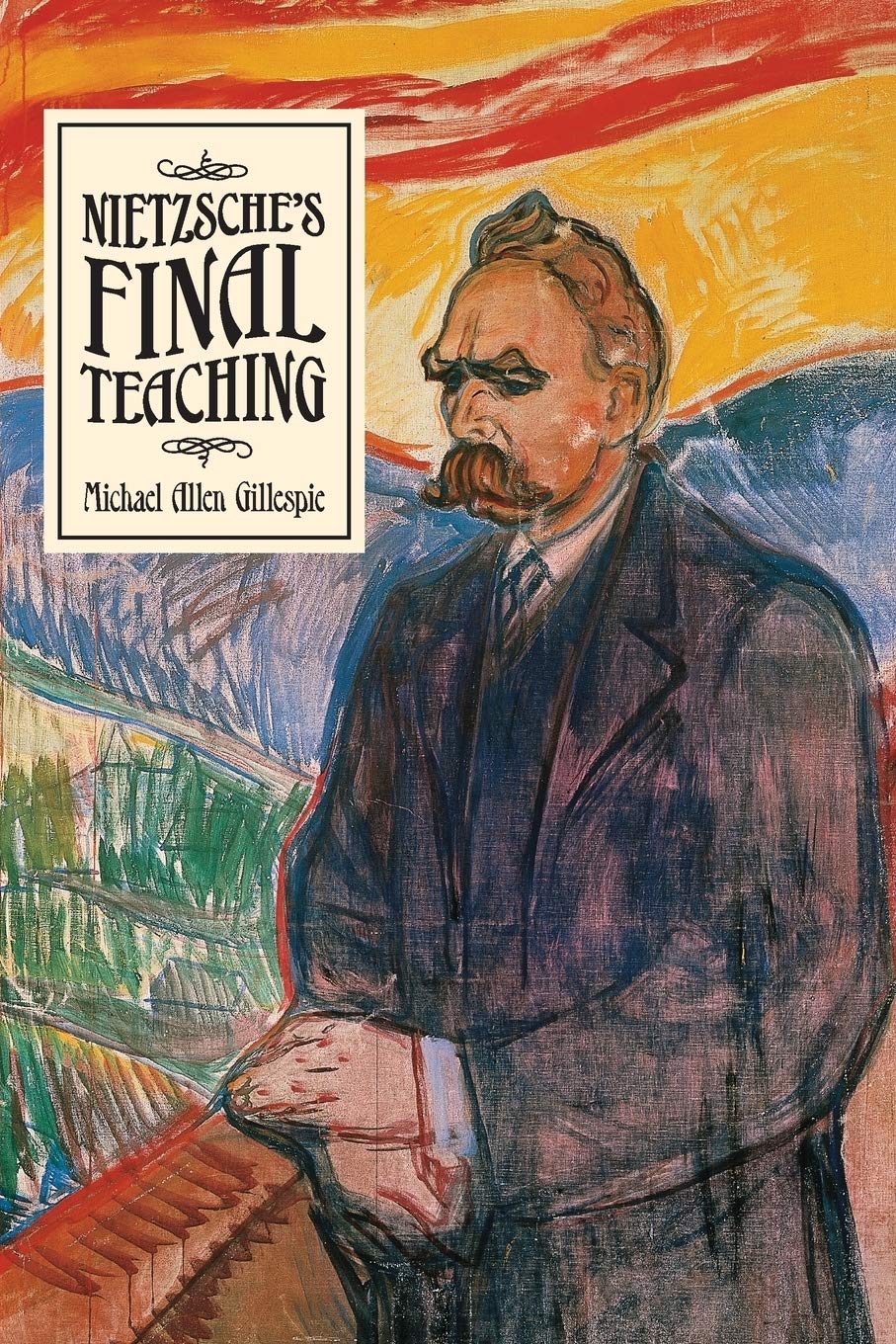
Nietzsche's Final Teaching | Michael Allen Gillespie
151,00 lei
✔ În stoc la carturesti.ro
Vezi oferta la carturesti.ro
✔ În stoc la carturesti.ro
Vezi oferta la carturesti.roIn the seven and a half years before his collapse into madness, Nietzsche completed Thus Spoke Zarathustra, the best-selling and most widely read philosophical work of all time, as well as six additional works that are today considered required reading for Western intellectuals. Together, these works mark the final period of Nietzsche’s thought, when he developed a new, more profound, and more systematic teaching rooted in the idea of the eternal recurrence, which he considered his deepest thought.Cutting against the grain of most current Nietzsche scholarship, Michael Allen Gillespie presents the thought of the late Nietzsche as Nietzsche himself intended, drawing not only on his published works but on the plans for the works he was unable to complete, which can be found throughout his notes and correspondence. Gillespie argues that the idea of the eternal recurrence transformed Nietzsche’s thinking from 1881 to 1889. It provided both the basis for his rejection of traditional metaphysics and the grounding for the new logic, ontology, theology, and anthropology he intended to create with the aim of a fundamental transformation of European civilization, a “revaluation of all values.” Nietzsche first broached the idea of the eternal recurrence in Thus Spoke Zarathustra, but its failure to gain attention or public acceptance led him to present the idea again through a series of works intended to culminate in a never-completed magnum opus. Nietzsche believed this idea would enab